Get Involved
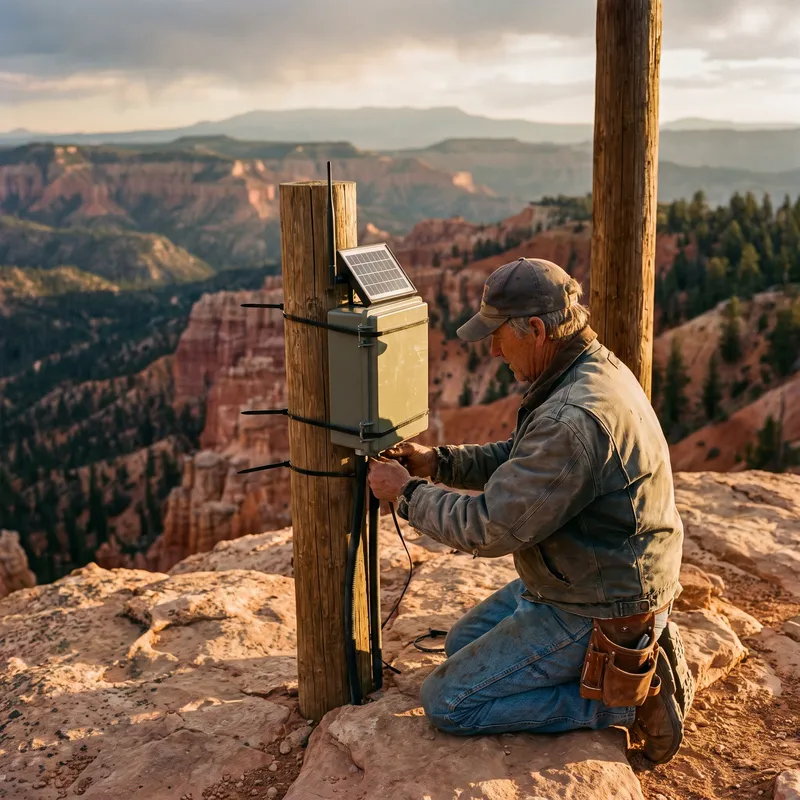
Every person in the network
is a node.
Curiosity, a stake in Utah's wildlands, and a willingness to look out for your neighbors matter more than an engineering background.
The Network
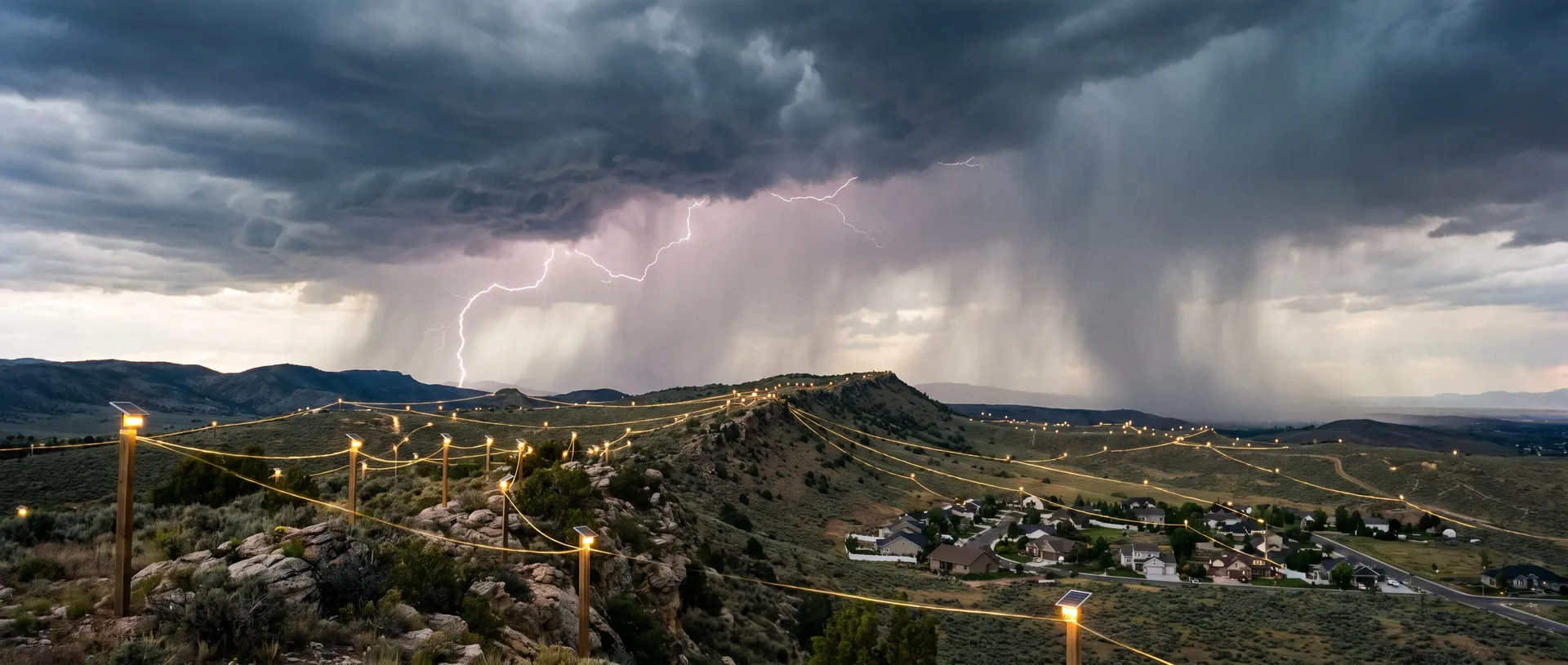
Every ridge has a neighbor on it.
Solar-powered sensor nodes relay over a peer-to-peer mesh to a few internet gateways — off-grid by design.
Run a Sensor Node
Pre-assembled sensor units work straight out of the box. Configure with a phone app, mount with solar, join the network automatically. No engineering background needed.
Request a Node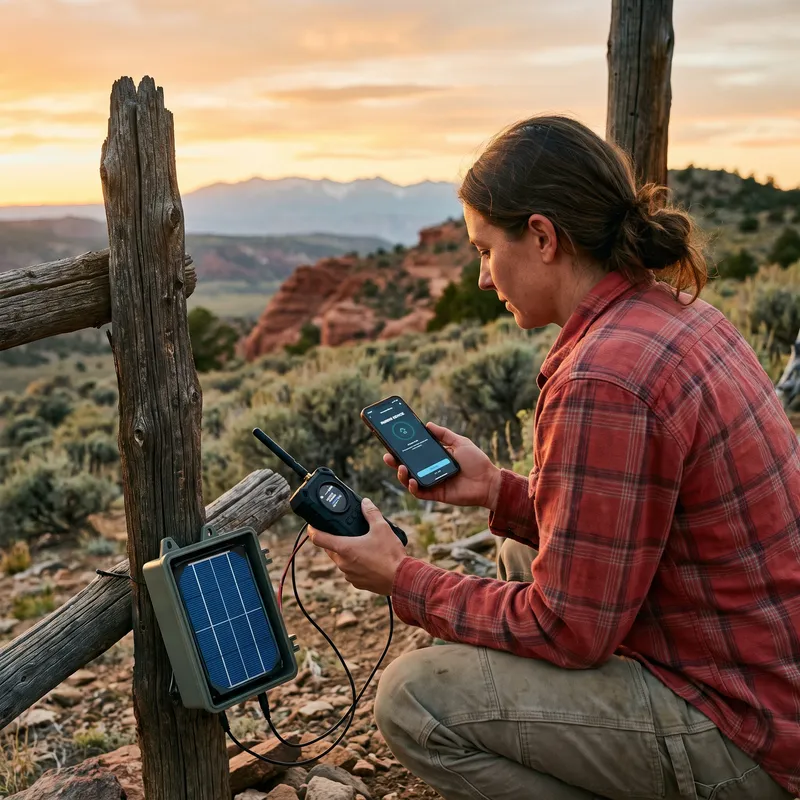
Build Your Own
Open-source designs for community members who want to assemble their own sensor units. We provide instructions and parts list - beginner-friendly.
View Build Guides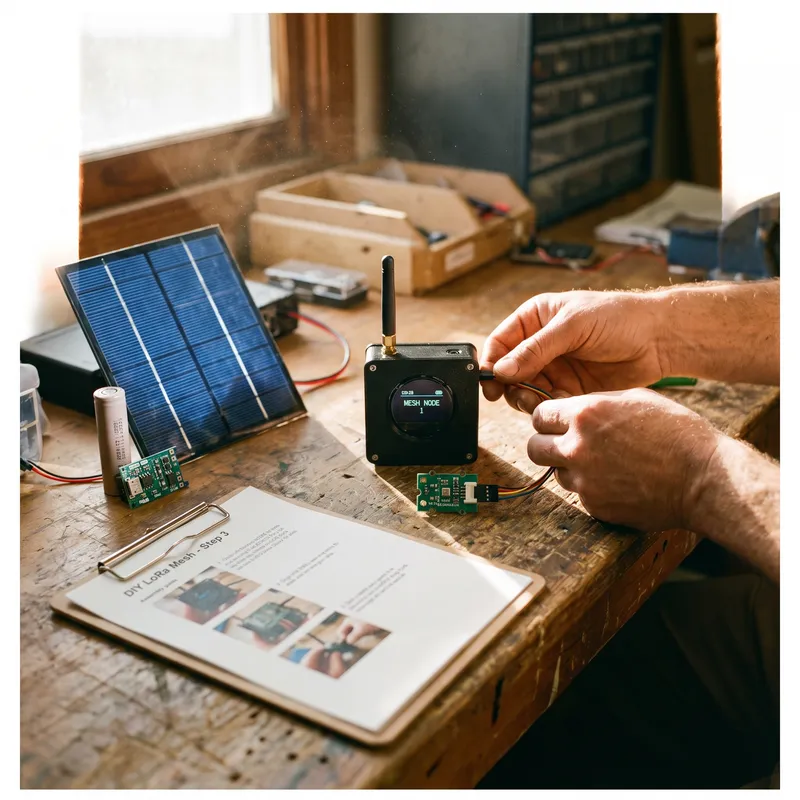
Report Smoke or Fire
When you see something, file a report through our app. What you see feeds the public sensor map and our research record. A neighbor spotting smoke early still makes the difference.
Download the App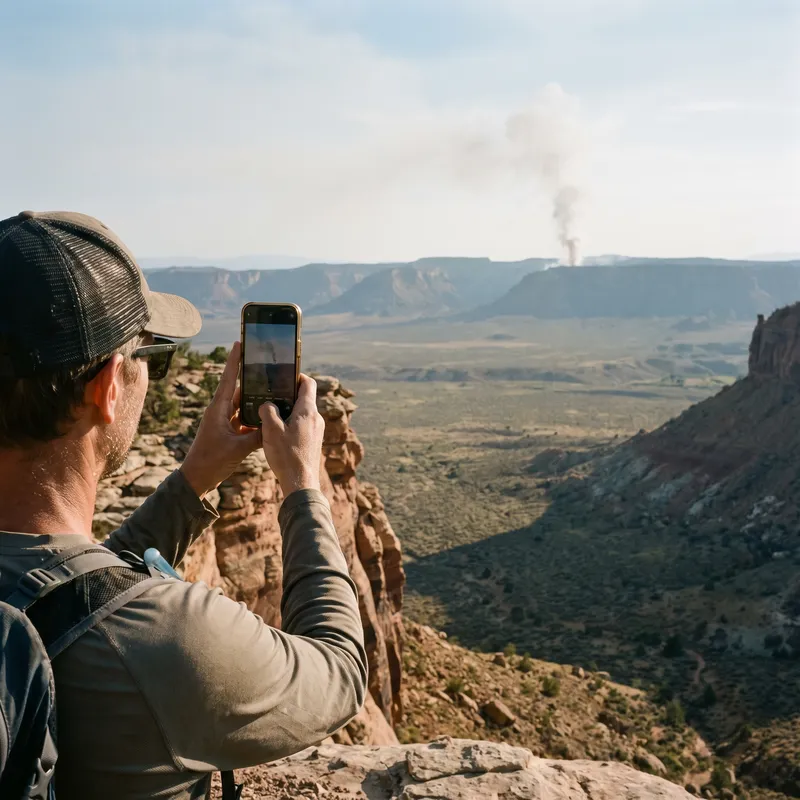
Develop the Software
The entire platform is open source. React Native and Node.js developers can contribute. The more people who build and maintain sensors, the stronger the network.
Contribute on GitHub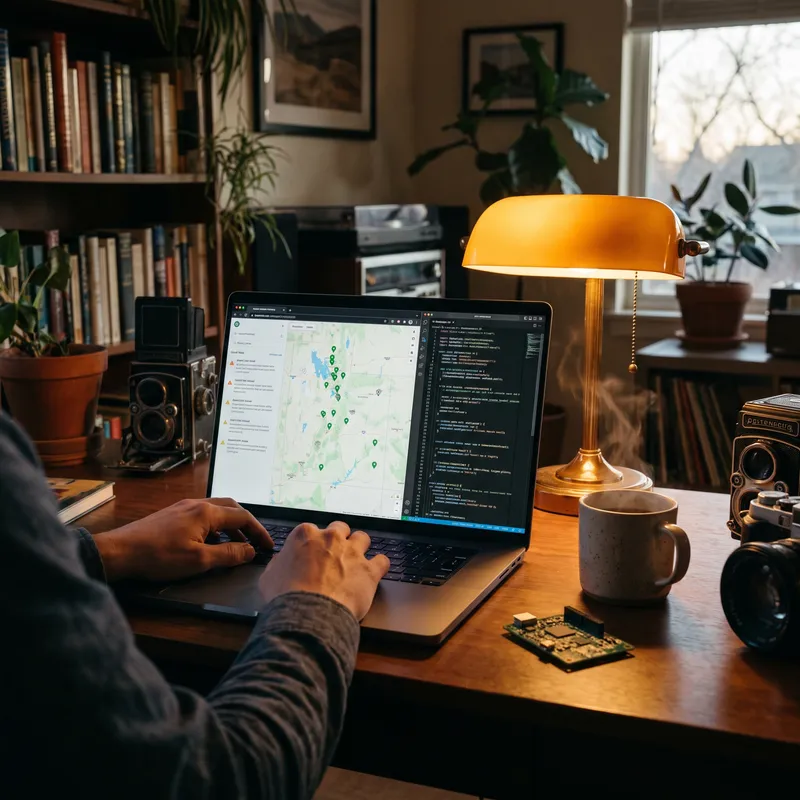
Educate and Organize
Help neighbors and officials understand what Uinta Watch is and why it matters. Host a demo night. Talk to your local fire department.
Get Materials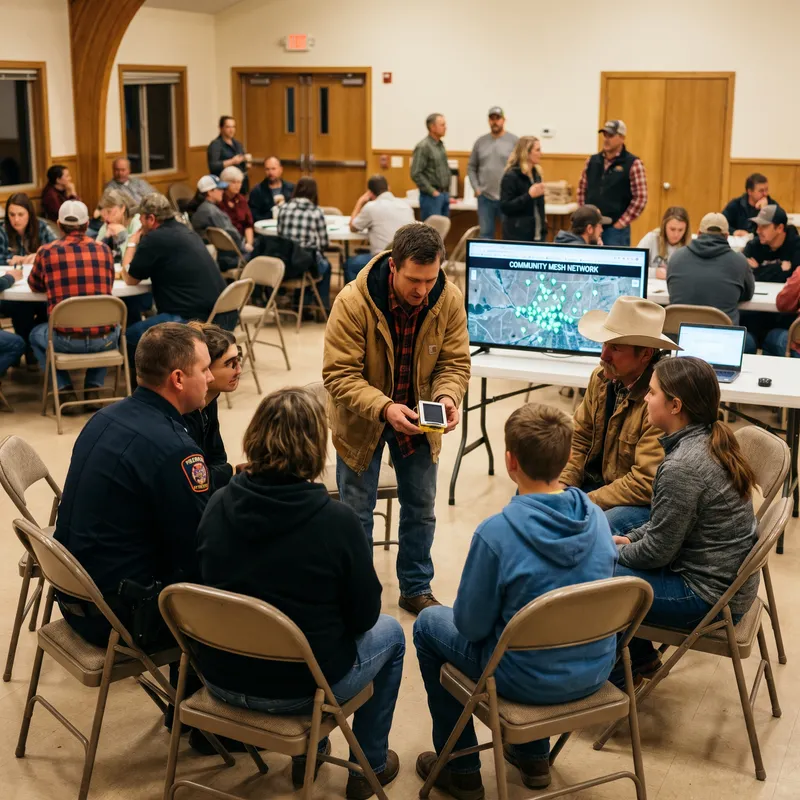
Host or Deploy a Sensor
Host a test node on property you own or manage — a home, a ranch, a business. Strategic placements on public land require permits, so community-hosted nodes come first. Training and support provided.
Host a Node